
Pinhaijing LAN Ethernet 2 Way Relay Board
4.8Editor score
Supports TCP and UDP protocols
Sturdy FR-4 PCB construction
Local password protection included
This guide compares the top Ethernet Relay Module options for industrial and smart home automation, focusing on protocol support, power options, and connectivit
Ethernet Relay Modules are essential components for modern industrial automation and smart home systems. They allow users to control electrical devices remotely over a network, providing seamless integration with existing infrastructure.
We evaluated ten leading models based on protocol compatibility, power flexibility, and build quality. Each product was analyzed for its ability to handle diverse communication standards and environmental conditions reliably.
This review highlights key features, pros, and cons for every model. Note that availability and costs may change frequently, so always verify current details before making your final purchase decision.
4.8Editor score

4.9Editor score

4.8Editor score
The following table provides a side-by-side comparison of the top ten models to help you identify the right fit for your project needs.


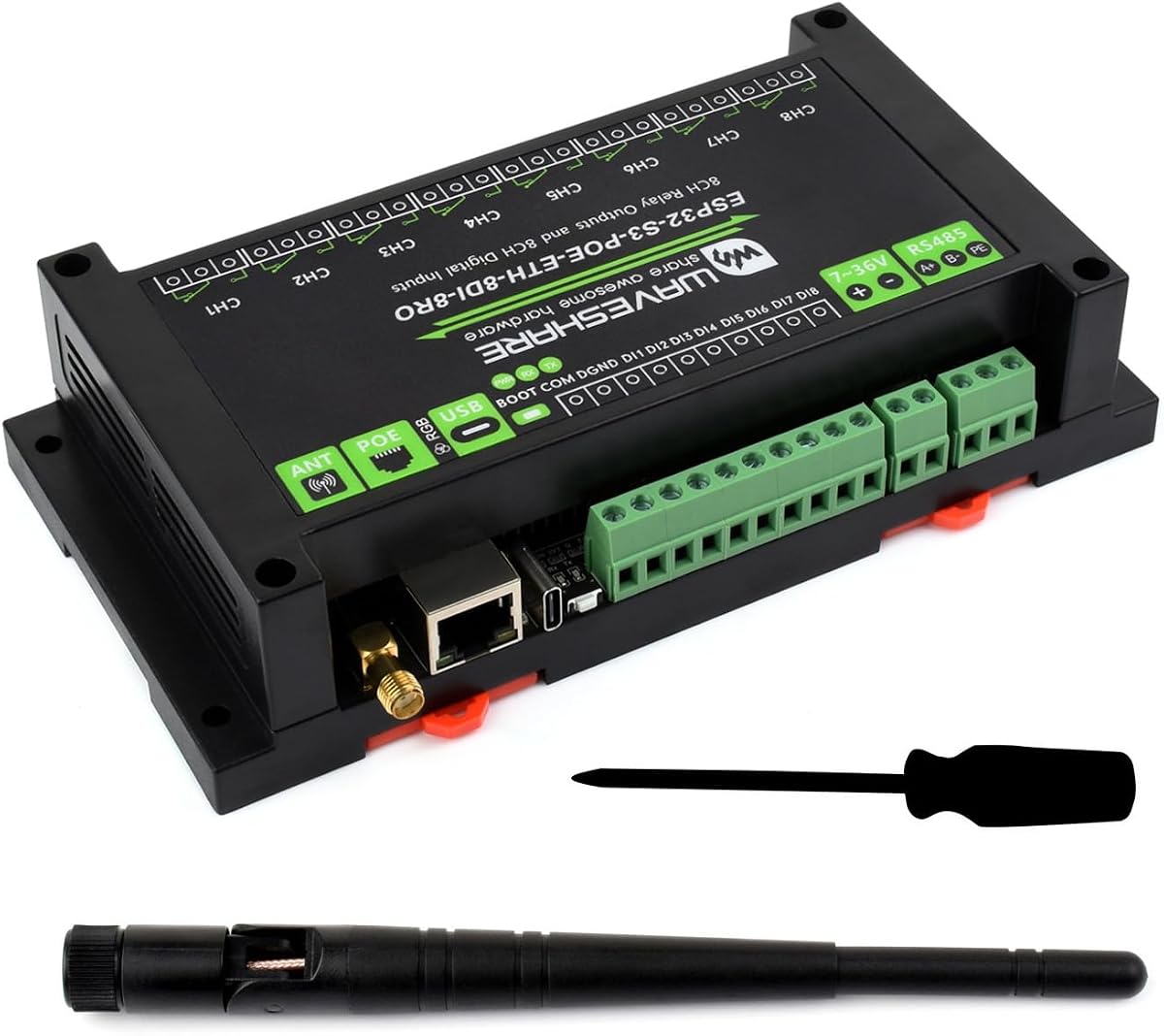
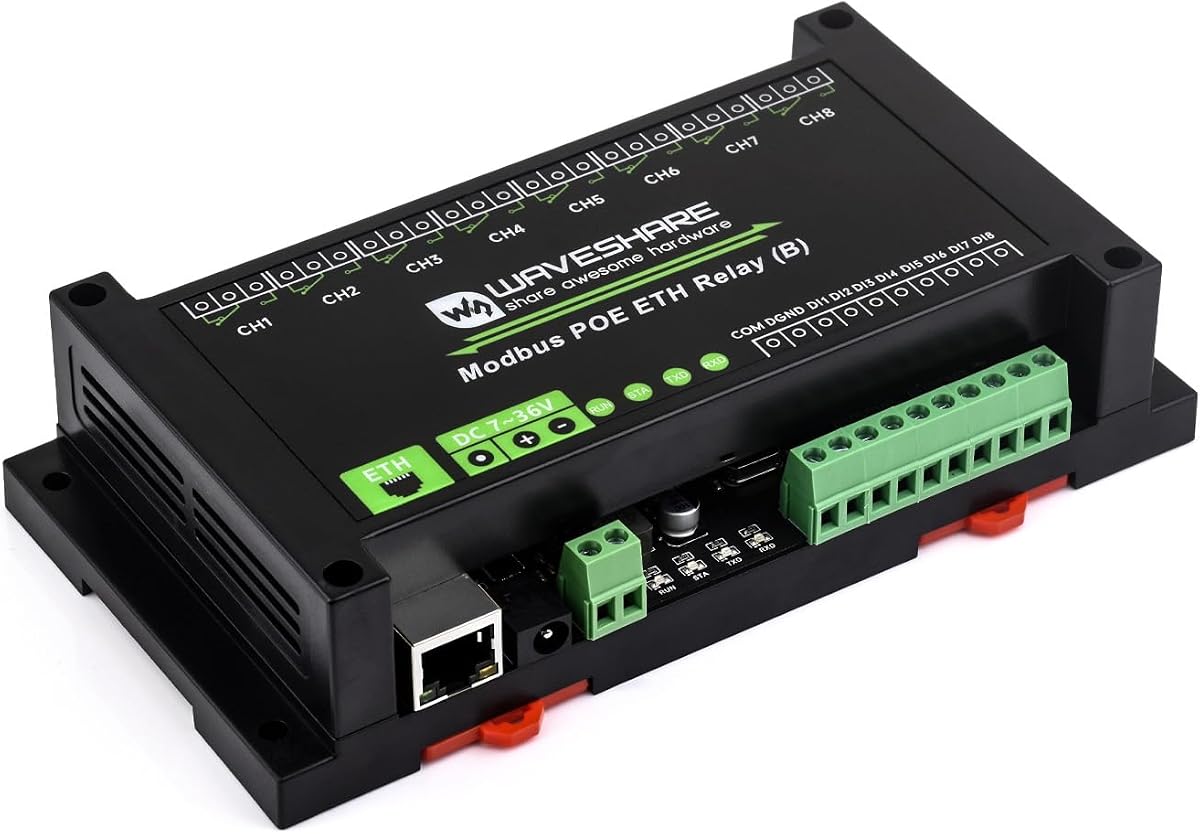

This model stands out with its excellent reliability and versatile connectivity options. It receives strong ratings for supporting both Modbus RTU and TCP protocols efficiently.
We may earn a commission when you buy through this link, at no additional cost to you.
Its standout feature is the combination of PoE support and digital input channels. This allows for seamless integration into industrial systems without needing extra wiring for power.
While the price is higher than entry-level units, the robust build quality and protection circuits justify the cost. Users appreciate the safety features like optocoupler isolation.
Ideal for professionals needing stable control in complex environments. If you value reliability and safety features, this is the top choice for your automation setup.
The inclusion of Modbus protocols ensures compatibility with existing industrial machinery and PLCs.
Power over Ethernet capability reduces cabling clutter and simplifies installation in tight spaces.
We may earn a commission when you buy through this link, at no additional cost to you.
This premium module offers powerful performance with its dual-core ESP32-S3 processor. It supports both Ethernet and Wi-Fi, making it highly flexible for remote access.
We may earn a commission when you buy through this link, at no additional cost to you.
The extensive isolation protection ensures safe operation even in noisy industrial environments. Digital inputs and outputs are well protected against voltage spikes and interference.
Although it is pricey, the dual communication options justify the cost for advanced users. It allows for sophisticated automation scenarios that basic relays cannot handle.
Perfect for developers needing advanced features and remote control capabilities. If you need high performance and multiple connectivity methods, this module is the right fit.
The high-frequency processor enables complex logic operations directly on the device.
Integrated Wi-Fi and Bluetooth allow for diverse remote control strategies.
We may earn a commission when you buy through this link, at no additional cost to you.
An excellent entry-level option for those needing basic network control. It supports TCP and UDP protocols, allowing for straightforward integration into local networks.
We may earn a commission when you buy through this link, at no additional cost to you.
Security is a highlight with its local password protection system. The sturdy military-grade PCB ensures durability despite the low cost.
While it lacks advanced industrial features, it is perfect for small projects. The two-channel limit may restrict scalability for larger applications.
Ideal for hobbyists or small home automation projects. If budget is a primary concern and you need simple remote switching, this is a great pick.
Built-in password protection secures your device against unauthorized network access.
Small footprint allows placement in tight enclosures or cabinets.
We may earn a commission when you buy through this link, at no additional cost to you.
This module is designed for straightforward industrial control applications using Modbus protocols. It supports both RTU and TCP versions for broad compatibility.
We may earn a commission when you buy through this link, at no additional cost to you.
The PoE support simplifies power delivery in setups where dedicated power lines are scarce. It includes standard protection circuits to prevent accidental circuit damage.
Some users report variability in performance consistency, which is a consideration. However, the basic functionality is reliable for standard monitoring tasks.
Best for standard industrial applications needing basic Modbus integration. If you need a cost-effective way to connect eight relays via Ethernet, consider this option.
Compatible with widely used Modbus standards for easy machine communication.
Built-in flash commands allow for simple automated switching sequences.
We may earn a commission when you buy through this link, at no additional cost to you.
Waveshare models are known for solid build quality and industrial compliance. This unit supports Modbus and MQTT for flexible cloud connectivity options.
We may earn a commission when you buy through this link, at no additional cost to you.
The rail-mounted ABS case provides physical protection and ease of installation. Multiple status LEDs help diagnose network issues quickly without extra tools.
Its reliability makes it a strong contender for professional environments. While not the cheapest, it offers good value for the protection features included.
Recommended for factory floors needing reliable networked control. If you need robust isolation and visual diagnostics, this model fits the bill.
MQTT support enables integration with modern IoT cloud platforms easily.
Network LEDs provide immediate feedback on connection status.
We may earn a commission when you buy through this link, at no additional cost to you.
This module offers strong support for developers using the Arduino IDE. It bridges the gap between simple Wi-Fi control and industrial Ethernet connectivity.
We may earn a commission when you buy through this link, at no additional cost to you.
The onboard RS485 interface allows connection to legacy sensors while Ethernet handles remote control. Isolation circuits protect against electrical noise common in factories.
While it lacks PoE, the flexible power options still suit most applications. It is a great bridge between hobbyist projects and industrial standards.
Ideal for developers needing both Wi-Fi and industrial interface support. If you want a platform for custom coding, this module provides the necessary flexibility.
Comprehensive SDK and tutorials make custom coding accessible for users.
RS485 port enables connection to older industrial sensors.
We may earn a commission when you buy through this link, at no additional cost to you.
For large scale applications, this unit provides an impressive 30 relay channels in one enclosure. It supports all standard Modbus protocols for universal integration.
We may earn a commission when you buy through this link, at no additional cost to you.
The dedicated driver chip ensures strong driving ability for all thirty channels without overheating. PoE support reduces cabling complexity for such a large system.
While expensive and bulky, it eliminates the need for multiple smaller units. This centralizes control and reduces wiring points in large facilities.
Best for large industrial or agricultural setups requiring many control points. If you need to control dozens of devices from one spot, this is ideal.
Thirty channels allow control of lighting or machinery in large areas.
Rail mount design fits standard DIN enclosures for neat setups.
We may earn a commission when you buy through this link, at no additional cost to you.
This model features a 240MHz processor for high performance in demanding tasks. It supports multiple isolation circuits to ensure safe operation in sensitive environments.
We may earn a commission when you buy through this link, at no additional cost to you.
The USB Type-C port provides an easy alternative for power and debugging. Isolated RS485 adds extra safety when connecting to external sensors.
Documentation is thorough with official wiki resources for troubleshooting. It is a robust choice for those needing speed and safety features.
Recommended for users needing high performance and multiple interface options. If you value processing speed and isolated interfaces, this unit is a great choice.
The 240MHz clock speed allows for rapid data processing tasks.
USB Type-C enables easy power supply and firmware updates.
We may earn a commission when you buy through this link, at no additional cost to you.
This model stands out for its input linkage control and debounce algorithms. It reduces electrical noise and ensures cleaner signal processing for industrial systems.
We may earn a commission when you buy through this link, at no additional cost to you.
Built-in flyback diodes protect the driver chips from voltage spikes. This extra layer of protection makes it suitable for motor control applications.
The linkage feature allows inputs to trigger relays automatically without scripts. This simplifies logic in setups where physical switches control outputs.
Perfect for industrial applications needing clean signal processing. If reliability and electrical protection are priorities, this model is highly recommended.
Debounce algorithms filter noise for consistent digital input readings.
Flyback diodes prevent damage from inductive load switching.
We may earn a commission when you buy through this link, at no additional cost to you.
A straightforward module offering standard Modbus protocols and DNS support. It simplifies integration for networks that rely on hostnames rather than IP addresses.
We may earn a commission when you buy through this link, at no additional cost to you.
Configuration via web browser removes the need for specialized software tools. Isolation circuits protect the low voltage side from high voltage interference.
It is a basic yet functional choice for simple automation needs. While lacking advanced features, it covers the essentials reliably for most users.
Best for simple setups requiring basic network control. If you need a reliable Modbus device with DNS support, this is a solid option.
Support for DNS allows easier domain name integration in networks.
Web-based interface simplifies the configuration process for users.
We may earn a commission when you buy through this link, at no additional cost to you.
Selecting the right Ethernet Relay Module requires understanding key technical factors that impact performance and compatibility in your specific environment.
Different projects require different language standards. Modbus RTU and Modbus TCP are common in industrial settings, while MQTT is ideal for cloud-based smart home systems. Ensure the module speaks the same language as your controller or server to avoid compatibility issues.
Always verify protocol support before purchasing to ensure seamless integration with your existing network architecture.
Power delivery is critical for remote installations. PoE (Power over Ethernet) allows the module to run on a single cable, simplifying wiring. Alternatively, wide-range DC inputs offer flexibility for environments with existing power supplies.
Choose a module with PoE if you need to reduce cabling, or DC input if you have established power infrastructure nearby.
The number of relays determines how many devices you can control simultaneously. Eight channels are standard for many applications, but larger systems like farming or warehouse lighting may require thirty or more channels in a single unit.
Calculate your total load requirements to decide between a compact 8-channel unit and a larger multi-channel solution.
Electrical isolation protects your control network from high voltage spikes. Optocoupler isolation separates the low voltage logic from the high voltage relays, preventing damage to your controller or computer.
Prioritize models with optocoupler isolation, especially when controlling high power appliances like motors or heaters.
Some modules add Wi-Fi or Bluetooth alongside Ethernet for added flexibility. This allows for wireless access when Ethernet cables are not feasible. However, ensure the wireless signal strength is sufficient for your location.
Use wireless-enabled modules if physical Ethernet cabling is difficult or if you need mobile device control.
Industrial environments need durable casings. Look for rail-mounted ABS cases that fit standard DIN rails. These enclosures protect the circuitry from dust, impact, and accidental short circuits.
Always choose a module with a sturdy rail mount case for professional or outdoor installations.
Beyond controlling outputs, some modules read inputs from sensors or switches. This allows the relay to toggle based on external signals like door open or motion detection without needing a separate controller.
Select a unit with digital inputs if you need autonomous triggering based on physical sensor states.
Ease of setup varies between models. Some offer web browser configuration for quick changes, while others require command-line tools or complex software. Web interfaces are generally more user-friendly for most users.
Look for web-based configuration tools to make initial setup and ongoing management easier.
Start by connecting the module to your network switch via an Ethernet cable. Ensure the device obtains an IP address either through DHCP or a static assignment configured in your router settings.
Access the device using a web browser or terminal software to configure relay settings. Set the desired Modbus parameters or MQTT topic details to match your control system requirements.
Regularly check connection status LEDs to ensure the module remains online. Keep the enclosure clean and free of dust to prevent overheating and ensure long-term reliability.
Modbus RTU is a serial communication protocol typically used over physical wires like RS485, while Modbus TCP encapsulates Modbus messages over Ethernet networks. TCP allows for remote control across local or global networks, whereas RTU is limited to local serial connections.
Yes, standard Cat5e or Cat6 Ethernet cables can carry both data and power for PoE compliant devices. Ensure your network switch or injector supports the required voltage and current standards for your specific module.
Choose a module with built-in optocoupler isolation and flyback diodes. Additionally, install surge protectors on the incoming power lines and avoid running control cables near high voltage wiring to reduce interference risks.
Yes, if the module supports HTTP or MQTT protocols, you can use various mobile apps to send commands over the network. Ensure your network allows access to the module from mobile devices for remote operation.
Most industrial modules maintain the last known state or switch to a fail-safe mode depending on configuration. It is best to set default states in the device settings so relays return to a safe position if communication drops.
Many modern modules offer web-based configuration, eliminating the need for separate software. However, advanced setups might require specific tools or scripts, so check the manufacturer documentation for specific requirements.
We reviewed ten top options ranging from basic budget units to advanced industrial controllers. The best choice depends on your specific need for connectivity, safety features, and control capacity.
Prioritize models with robust isolation and protocol support if you work in demanding industrial settings. For home projects, simpler web-configurable units may suffice without breaking the budget.
Remember to check current availability and compatibility details before purchasing. Technology evolves quickly, so verifying the latest firmware and hardware specs ensures the best performance.