
Intraoral Camera Wireless Auto-Focus 13MP HD
4.5Editor score
Wireless charging base included
13MP HD CMOS sensor
8 LED uniform illumination
Choosing the right dental camera is essential for modern practices seeking to improve patient communication and diagnostic accuracy. A good intraoral device delivers clear images, integrates smoothly with existing software, and offers ergonomic comfort for long clinical sessions. Whether you need wireless freedom or budget-friendly reliability, the market offers diverse solutions tailored to different workflow needs.
We evaluated ten top-rated models based on image quality, software compatibility, ease of use, and build durability. Our analysis covers wired and wireless options, ranging from entry-level USB probes to advanced HD systems with autofocus capabilities. Each product was assessed against real-world clinical requirements to ensure our recommendations meet professional standards for efficiency and patient care.
Every pick in this list highlights specific strengths, from seamless integration with major imaging suites to ultra-thin lens designs for patient comfort. You will find detailed reviews, comparison tables, and buying factors to guide your decision. Please note that prices and availability may change over time, so verify current offers before purchasing your new dental camera system.
4.5Editor score

4.5Editor score

4.0Editor score
As an Amazon Associate we earn from qualifying purchases.
The following table provides a side-by-side comparison of all ten dental cameras reviewed in this guide, highlighting key specifications and unique features to help you quickly identify the model that best fits your practice requirements.
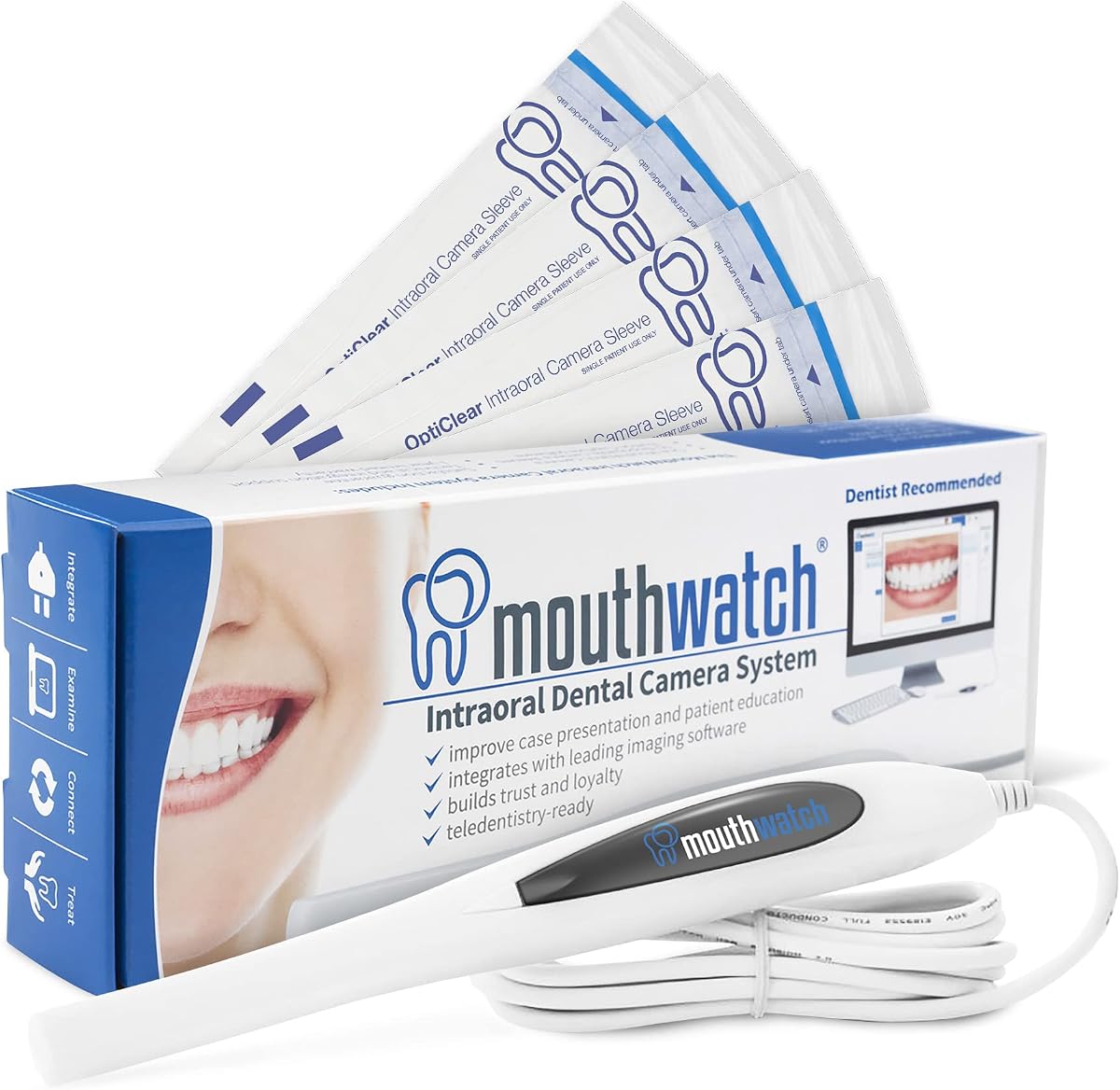


The DY-50 Intraoral Camera stands out as a top choice for practices needing reliable imaging without breaking the budget. With a rating of 4.5 stars, it delivers crystal clear pictures that integrate seamlessly with over fifty North American imaging software platforms. Its ergonomic design ensures comfortable handling during lengthy procedures, while the included capture button driver simplifies setup significantly.
We may earn a commission when you buy through this link, at no additional cost to you.
Key strengths include its ability to work with major suites like Dexis, Eaglesoft, and Dentrix Ascend without additional hardware. The anti-fog, non-spherical lens ensures consistent visibility, and the automatic power-off function helps preserve battery life if used with portable setups. The 34-gram handset is lightweight, reducing hand fatigue during extended clinical hours.
While it lacks wireless capabilities, the USB connection provides stable data transfer without lag. The fixed focal distance eliminates focus hunting, though users accustomed to autofocus may need a brief adjustment period. These trade-offs are acceptable given the price and performance balance, making it ideal for clinics prioritizing software integration over mobility.
Dental practices looking for a versatile, cost-effective solution should consider the DY-50. It is particularly well-suited for offices already using compatible imaging software and needing a quick, reliable upgrade to digital intraoral photography. The comprehensive support and included accessories ensure you can start capturing diagnostic images immediately.
The included capture button driver ensures seamless operation with over fifty popular dental imaging platforms, reducing setup time and technical hurdles.
At just 34 grams, the ergonomic handset minimizes hand strain during prolonged examinations, enhancing practitioner comfort and efficiency.
We may earn a commission when you buy through this link, at no additional cost to you.
This wireless dental camera offers ultimate flexibility for modern clinics seeking to eliminate cable clutter. Featuring a 13MP HD sensor and smart autofocus, it produces crisp, detailed images for accurate oral assessments. The built-in 8 LED beads provide uniform lighting, ensuring no dark corners obscure critical details during examinations.
We may earn a commission when you buy through this link, at no additional cost to you.
Wireless charging via the included base keeps the device ready for the next patient without interruption. The anti-fog and dustproof construction ensures reliability in moist environments, while the stable WiFi connection prevents freezing or lag. Compatibility with most dental management software allows for smooth integration into existing workflows.
The primary trade-off is the need to manage charging cycles and potentially higher cost compared to wired models. However, the operational flexibility and enhanced patient experience often justify the investment. Users report fewer cable tangles and more natural positioning during exams, improving overall efficiency.
Ideal for practices prioritizing mobility and advanced features, this camera is a premium choice for forward-thinking dental offices. It suits clinicians who value wireless convenience and high-definition imaging to enhance diagnostic precision and patient communication effectively.
Wireless transmission technology allows free movement during exams, removing cable restrictions for better patient positioning and comfort.
The 13MP sensor and smart autofocus deliver sharp, detailed visuals essential for accurate diagnosis and clear patient education.
We may earn a commission when you buy through this link, at no additional cost to you.
For clinics needing an affordable entry into digital intraoral photography, this USB camera delivers solid performance. Its 13MP HD CMOS sensor provides sharp images, while the 6mm slim lens reaches back molars easily. Dual-sided capture buttons allow flexible operation, and the magnetic holder turns lights off automatically to save energy.
We may earn a commission when you buy through this link, at no additional cost to you.
The plug-and-play USB 2.0 design requires no drivers, making it ideal for quick deployment. The 105-degree wide angle ensures comprehensive views, and the lightweight handle supports long clinical use. It serves well for daily check-ups and patient education without straining the budget.
Build quality may feel less premium than higher-end models, and software documentation is sometimes vague. However, for basic diagnostic needs and educational purposes, it offers excellent value. The dual buttons and slim design compensate for lower specs, ensuring efficient workflow.
Best suited for small practices or individual clinicians starting with digital imaging, this model balances cost and functionality. It is a practical choice for those needing reliable visuals without investing in advanced features or wireless capabilities.
The 6mm thin lens tip easily accesses interdental gaps and back molars, improving patient comfort during exams.
Dual control buttons enable one-click capture from either side, speeding up image acquisition during busy appointments.
We may earn a commission when you buy through this link, at no additional cost to you.
This camera excels at helping patients visualize their oral health through crystal clear images. Designed with case acceptance in mind, it captures well-illuminated photos without lag. The 4mm-45mm fixed focal distance removes manual focusing needs, ensuring consistent results every time.
We may earn a commission when you buy through this link, at no additional cost to you.
A single button press saves images directly to patient charts, eliminating keyboard reliance. The lightweight 31-gram ergonomic design reduces hand strain. Lifetime customer support and easy integration instructions make setup straightforward for any practice.
Fixed focus may limit versatility for macro shots, but it streamlines the process for standard intraoral photos. The absence of zoom is acceptable given the primary goal of quick, clear documentation. Most users appreciate the reliability and simplicity.
Practices focused on patient education and acceptance will benefit most from this model. Its ease of use and integration speed help streamline workflows while improving communication. It is a reliable tool for daily clinical needs.
Clear visual evidence helps patients understand treatment needs, leading to higher case acceptance rates and informed decisions.
One-button operation saves time during appointments, allowing clinicians to focus more on patient care than technical setup.
We may earn a commission when you buy through this link, at no additional cost to you.
The DY-60 offers 720P HD video with 4X zoom, providing flexibility for detailed examinations. It works with major software like Dexis and Eaglesoft, with a capture button driver included for seamless integration. This feature allows closer inspection without moving the probe excessively.
We may earn a commission when you buy through this link, at no additional cost to you.
Users benefit from the lack of foot pedal dependency, relying instead on the button driver. The USB connection ensures stable data transfer. While resolution is modest compared to newer 13MP models, the zoom adds significant utility for highlighting specific issues.
Video capability aids in documenting gum conditions or movement, though still images may lag slightly in clarity. The wired nature limits mobility, but ensures consistent power. For practices needing zoom without high cost, this is a viable option.
Best for clinics requiring basic zoom and video without advanced specs, this camera balances function and affordability. It supports various platforms well and simplifies the capture process for clinicians seeking enhanced detail.
The 4X zoom feature allows detailed inspection of hard-to-reach areas, improving diagnostic accuracy without complex positioning.
720P HD video captures dynamic oral conditions, useful for tracking changes over time or educating patients on issues.
We may earn a commission when you buy through this link, at no additional cost to you.
This camera supports Windows 7 through 11, ensuring compatibility with diverse system configurations. The ProDENT CAPTURE app enables seamless button work with software like Dexis and Eaglesoft. Auto-off when placed in the holder conserves power and extends lifespan.
We may earn a commission when you buy through this link, at no additional cost to you.
Quick disconnect connectors facilitate easy cleaning and setup. Email and phone support aid in troubleshooting. While image quality is functional, it may not match newer HD standards. However, its reliability and broad software range make it a steady choice for established offices.
Users value the straightforward integration and consistent performance. The auto-off feature reduces accidental drain, and the connector design simplifies maintenance. It is ideal for practices needing dependable tools without advanced features.
For offices prioritizing system compatibility and support, this model offers solid utility. It streamlines workflow through reliable button integration and offers practical features for daily clinical use.
Support for Windows 7 to 11 ensures broad hardware compatibility, reducing setup hurdles in varied practice environments.
Automatic power-off when docked helps preserve device longevity and reduces unnecessary energy consumption during downtime.
We may earn a commission when you buy through this link, at no additional cost to you.
Equipped with six high-brightness LEDs, this camera ensures optimal lighting for all examinations. The 13MP CMOS sensor delivers sharp, detailed images essential for accurate diagnostics. Dual buttons allow flexible operation, and the magnetic holder automatically turns off lights to save energy.
We may earn a commission when you buy through this link, at no additional cost to you.
Plug-and-play USB power eliminates external adapters, simplifying setup. The 105-degree wide angle captures comprehensive views. While software documentation is minimal, it works with most platforms. Users appreciate the consistent illumination in darker oral areas.
Cable length may be restrictive in larger rooms, and advanced software features are absent. However, the core imaging performance is strong. The dual buttons enhance efficiency, and the bright LEDs reduce shadows effectively.
Practices needing reliable illumination and resolution will find this model effective. It offers a balanced combination of high-definition imaging and practical design for routine clinical documentation and patient education.
Six high-brightness LEDs ensure shadow-free lighting, crucial for identifying subtle dental issues during exams.
The 13MP sensor captures fine details, aiding in precise documentation and clearer communication with patients.
We may earn a commission when you buy through this link, at no additional cost to you.
This camera includes built-in diagnostic software capable of analyzing captured images automatically. The 5mm ultra-thin probe improves patient comfort, while anti-shake technology ensures steady visuals. Zero-latency transmission allows real-time demonstrations to clients.
We may earn a commission when you buy through this link, at no additional cost to you.
Diagnostic reports and condition marking enhance assessment accuracy. Proprietary capture software supports over 50 integrations. Tutorials simplify setup, and support is readily available. Users value the added clinical insights beyond standard photography.
The software may require time to master, and the cost reflects the advanced features. However, for practices wanting integrated analysis, it provides unique value. The thin probe reduces gag reflex risks during examinations.
Ideal for clinics seeking integrated diagnostic tools, this model bridges imaging and assessment. It supports enhanced patient communication through automatic reports and reliable, lag-free image capture.
Built-in analysis software can automatically identify conditions and generate reports, streamlining assessment workflows.
The 5mm ultra-thin probe design ensures easier insertion and greater comfort, especially for sensitive patients.
We may earn a commission when you buy through this link, at no additional cost to you.
The 4.8mm ultra-thin lens makes this camera ideal for patients with limited mouth opening. High-resolution imaging and eight bright LEDs ensure clear views even in low light. Front and back dual buttons support both left and right-handed use.
We may earn a commission when you buy through this link, at no additional cost to you.
The magnetic holder turns lights off automatically to conserve energy. USB 2.0 connection allows direct computer link without complex settings. It is lightweight and easy to handle. Patients appreciate the reduced discomfort during examinations.
Cable dependency limits some mobility, and controls are minimal. Yet, the lens design addresses comfort concerns effectively. The LED brightness aids visibility in posterior areas without shadows.
Best for clinics prioritizing patient comfort and accessibility, this model balances thin design with effective imaging. It suits diverse populations and simplifies intraoral exams through ergonomic and functional features.
The 4.8mm ultra-thin lens enables easier access with minimal mouth opening, improving comfort for various patients.
Eight high-brightness LEDs provide optimal illumination, ensuring clear visibility of oral structures in any condition.
We may earn a commission when you buy through this link, at no additional cost to you.
This endoscope features a 3-in-1 connector supporting USB, Type-C, and Micro USB for wide device compatibility. IP67 water resistance allows safe rinsing after use. Six adjustable LEDs ensure consistent, shadow-free illumination for detailed viewing.
We may earn a commission when you buy through this link, at no additional cost to you.
Designed for Android OTG and Windows, it offers portability for mobile clinics. The durable build supports long-term mechanical performance. While not compatible with iOS, it works well with most personal and clinical devices.
Software is basic, focusing on real-time observation. The water resistance makes cleaning easy. For personal care or mobile setups, it provides excellent value. The bright lights aid in identifying hard-to-reach surface details.
Best for personal monitoring or mobile practices needing multi-device support, this model offers versatility. Its durable design and flexible connectivity make it a practical tool for varied inspection needs.
The 3-in-1 connector ensures compatibility with a wide range of Android and Windows devices, increasing flexibility.
IP67 water resistance allows safe rinsing after use, maintaining hygiene and prolonging the device's lifespan.
We may earn a commission when you buy through this link, at no additional cost to you.
Selecting the ideal dental camera requires evaluating several key factors that align with your clinical workflow, patient needs, and technical infrastructure. This guide outlines essential considerations to help you make an informed decision.
Image resolution directly impacts diagnostic accuracy and patient education. Higher megapixel counts, such as 13MP or 1600×1200, provide sharper details for identifying cavities or gum disease. Look for models with anti-fog coatings and proper illumination to ensure consistent clarity in all conditions.
Prioritize cameras offering at least 720P HD or higher resolution for reliable documentation. Clear visuals improve communication and case acceptance rates.
Ensure the camera integrates seamlessly with your existing practice management software. Many models support over 50 platforms including Dexis, Eaglesoft, and Dentrix. Check if capture drivers are included to avoid additional purchases or setup complexity.
Verify compatibility lists before buying to prevent workflow disruptions. Seamless integration saves time and reduces technical support needs.
Wired USB cameras offer stable connections and no charging requirements, ideal for fixed workstations. Wireless models provide mobility and reduce cable clutter, benefiting patient positioning and clinic aesthetics. Consider your need for flexibility versus consistency.
Choose based on clinic layout and workflow preferences. Wireless suits mobile setups; wired ensures reliability for high-volume practices.
Slimmer lens tips like 4.8mm or 6mm enhance patient comfort, especially for those with sensitive gag reflexes. Ergonomic handles reduce hand fatigue during prolonged use. Lightweight devices improve maneuverability and exam efficiency.
Opt for lenses balancing size and image quality. Comfortable designs encourage thorough examinations without patient distress.
Proper illumination is critical for clear intraoral imaging. Models with multiple LED beads ensure uniform lighting without shadows. Adjustable brightness helps adapt to different oral environments and procedures.
Select cameras with sufficient LED counts and brightness to reveal all details. Consistent lighting improves diagnostic reliability and patient understanding.
Build quality affects long-term reliability. Look for dustproof or water-resistant features to withstand clinical environments. Magnetic holders that auto-turn off lights conserve energy and extend bulb life.
Prioritize models with sturdy construction and maintenance features. Reliable devices reduce downtime and replacement costs.
Plug-and-play functionality simplifies installation without needing specialized IT support. Capture button drivers and clear tutorials reduce setup time. Intuitive controls allow clinicians to focus on patients rather than technology.
Choose cameras with user-friendly interfaces and documentation. Efficient setup minimizes practice disruption and training needs.
Consider the total cost including accessories and software. Budget models may lack advanced features but suffice for basic needs. Premium options offer wireless or diagnostic tools that enhance efficiency and outcomes.
Balance price with required features. Invest in models offering long-term value and alignment with practice goals.
To begin, connect the camera to your computer via USB or establish a secure wireless link. Install any required drivers or software updates provided by the manufacturer. Ensure the capture button driver is active to enable seamless integration with your imaging suites.
Place the camera probe gently in the patient's mouth, adjusting lighting to avoid glare. Use the capture buttons to save images directly to the patient's chart. Always wear disposable sheaths to maintain hygiene and prevent cross-contamination between patients.
After each use, remove the probe and clean it according to manufacturer instructions. Store the device in its magnetic holder to conserve power. Regularly check cables and connectors for wear. Periodically update software to ensure optimal performance and compatibility.
Most dental cameras support major platforms like Dexis, Eaglesoft, Dentrix, and Carestream. Look for models offering capture drivers that integrate with over fifty different imaging suites. Always verify compatibility with your current practice management software before purchasing.
Many models feature plug-and-play USB connections requiring no drivers or complex configurations. Manufacturers often include tutorials and capture button software to simplify integration. Basic knowledge of your imaging platform helps ensure smooth setup and operation.
Wireless models typically include a base station or dock for charging. Some support standard USB charging cables. Ensure the device is placed correctly on the base to maintain battery levels for uninterrupted clinical use.
Most cameras are designed for intuitive use with minimal training required. Basic tutorials cover probe handling and image capture. Some models offer customer support teams to assist with software integration if needed.
Yes, clear intraoral images help patients visualize their oral health needs. Showing real-time visuals improves case acceptance and understanding of recommended treatments. Many systems allow direct display on screens for interactive consultations.
Use disposable sheaths to prevent cross-contamination. After removal, wipe the probe with disinfectant as per guidelines. Some models are water-resistant but avoid submerging unless specified. Regular maintenance ensures hygiene and device longevity.
With proper care, cameras can last several years. Durability depends on build quality and usage frequency. Protect cables from excessive bending and store the device in its holder to prevent wear and extend service life.
Some portable models support personal monitoring but are optimized for clinical use. Consumer versions exist with smartphone connectivity. Ensure compatibility with your devices and follow hygiene practices for safe home inspection.
The ten dental cameras reviewed here offer diverse solutions tailored to varying clinical needs and budgets. From the wireless flexibility of the 13MP HD model to the cost-effective reliability of the DY-50, each option provides distinct advantages for improving patient care.
Prioritize compatibility with your existing software and consider features like image resolution and ergonomics. Wireless options enhance mobility, while wired models ensure stability. Choose based on what aligns best with your workflow and patient communication goals.
Prices and availability may change, so always check current offers before purchasing. Investing in the right dental camera enhances diagnostic precision and patient satisfaction significantly. Make an informed decision to elevate your practice's imaging capabilities.