
Gigabit Dual NIC with Intel 82576 Chip
4.5Editor score
Intel 82576 Controller
Low Profile Bracket Included
Windows Linux VMware Compatible
This expert guide compares the top Dual RJ45 Port Network Card models for servers and workstations to help you choose the right PCIe Ethernet adapter today.
Finding the right Dual RJ45 Port Network Card is crucial for boosting server performance and network reliability. A good adapter offers stable connections, high throughput, and compatibility with modern operating systems to ensure your infrastructure runs smoothly without interruptions.
We evaluated ten top-rated PCIe Ethernet adapters based on controller chips, port speeds, and real-world stability. Our list covers options ranging from legacy gigabit models to cutting-edge ten-gigabit cards suitable for data centers and advanced home labs.
Each pick highlights key specifications, compatibility notes, and ideal use cases for your setup. Please note that product availability and pricing can change frequently, so verify current details on the retailer site before making your final purchase decision.
4.5Editor score

4.1Editor score
4.5Editor score
The following table provides a side-by-side comparison of all ten network cards to help you quickly identify the best fit for your specific server or workstation requirements.


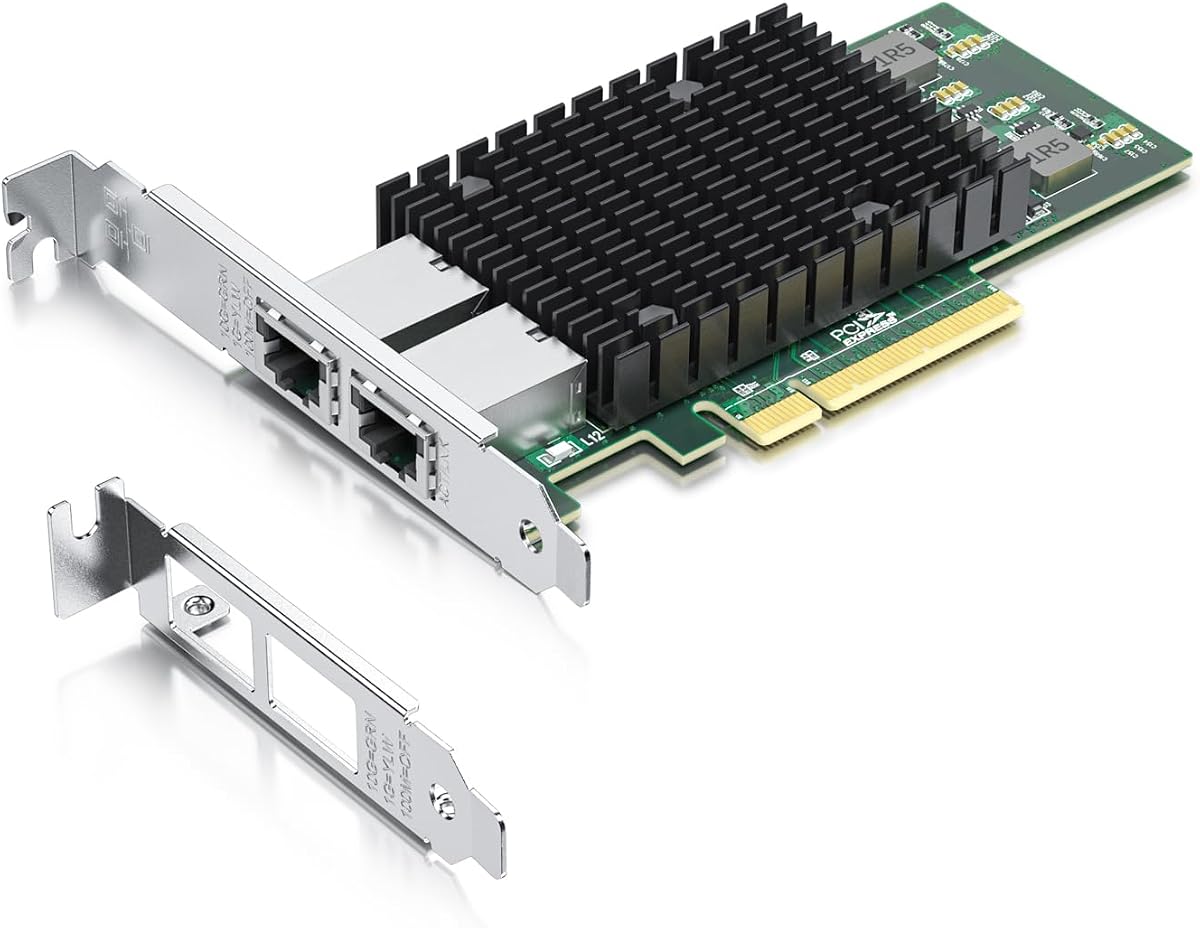
This network card is a strong contender for high-speed server environments needing reliable 10Gbps connections. It carries a 4.1 rating and is built around the trusted Intel X540 controller for stable performance across various platforms.
We may earn a commission when you buy through this link, at no additional cost to you.
The dual copper RJ45 ports support Cat6A cabling for up to 100 meters, making it versatile for data centers. It also features intelligent offloads to reduce CPU load and improve server stability during heavy network usage.
While it is powerful, users note that Windows 11 requires manual setup steps for driver installation. Additionally, it does not support hot swapping, so you must power down the system before installing or removing the card.
This adapter is ideal for administrators managing virtualized environments or home labs requiring 10G performance. Its broad compatibility with Windows, Linux, and VMware ESX makes it a safe choice for diverse infrastructure needs.
Delivers up to 10Gbps speeds for rapid file transfers and low latency networking in enterprise settings.
Works with Windows Server, Linux distributions, and VMware ESX for flexible deployment options.
We may earn a commission when you buy through this link, at no additional cost to you.
This 2.5G adapter uses the newer Intel I226-V chip to offer better stability and lower power consumption than older models. It holds a 4.6 rating, reflecting user satisfaction with its reliable connectivity for modern workstations and servers.
We may earn a commission when you buy through this link, at no additional cost to you.
The I226-V improves error rates for longer cable lengths, ensuring consistent data transmission. It supports a wide range of operating systems including Windows 10, 11, and various Linux kernels, making it versatile for mixed environments.
Users should verify their motherboard supports the I226-V chip and enable the NIC in BIOS before purchasing. While powerful, compatibility checks prevent potential installation issues that might arise from unsupported hardware configurations.
Choose this card if you need 2.5G speeds without jumping to 10G hardware costs. It is perfect for users looking to upgrade their network capacity while maintaining energy efficiency and strong driver support.
The new I226-V chip reduces active power consumption for better efficiency in always-on servers.
Improved error rates ensure stable packet delivery over longer cable runs compared to predecessors.
We may earn a commission when you buy through this link, at no additional cost to you.
VIMIN delivers a cost-effective 10G solution with the Intel X540-T2 chipset for stable high-speed transmission. It is rated 4.5 by users who appreciate its performance in servers and high-end devices needing robust networking capabilities.
We may earn a commission when you buy through this link, at no additional cost to you.
The card includes a heat sink to maintain optimal temperatures under heavy load. It also features a well-designed gold finger interface to reduce interruption risks, ensuring consistent performance during demanding tasks.
Note that this card does not support 2.5G or 5G speeds; it will only run at 1Gbps on those networks. This limitation should be considered if your switch supports mid-range speeds between 1G and 10G.
This adapter is suitable for users who strictly require 10G performance on Cat6A infrastructure. The included brackets make it easy to install in both standard and slim server cases for flexible deployment.
Features a heat sink to keep the device cool and stable during heavy network usage cycles.
Compatible with both PCIe X8 and X16 slots to adapt to different motherboard configurations.
We may earn a commission when you buy through this link, at no additional cost to you.
This Gigabit card supports a vast array of legacy and modern operating systems including DOS and FreeBSD. It holds a 4.4 rating, making it a reliable choice for older servers or specialized environments needing specific OS support.
We may earn a commission when you buy through this link, at no additional cost to you.
It supports IPMI pass-through, iSCSI boot, and VLAN filtering for advanced network management tasks. The imported alloy heat sink ensures the card operates at normal temperatures even when handling continuous traffic loads.
One notable limitation is that it does not support VMware ESXi 7.0 or above, which might restrict virtualization users. However, it remains a solid option for physical servers running older hypervisor versions or distinct OS requirements.
Choose this card if you need a Gigabit adapter that works across very diverse and older system types. Its support for SNMP and remote monitoring makes it useful for IT teams managing large server inventories.
Compatible with older systems like DOS, SCO Open Server, and UnixWare for niche use cases.
Supports PXE boot and SNMP for remote management and automated deployment in server rooms.
We may earn a commission when you buy through this link, at no additional cost to you.
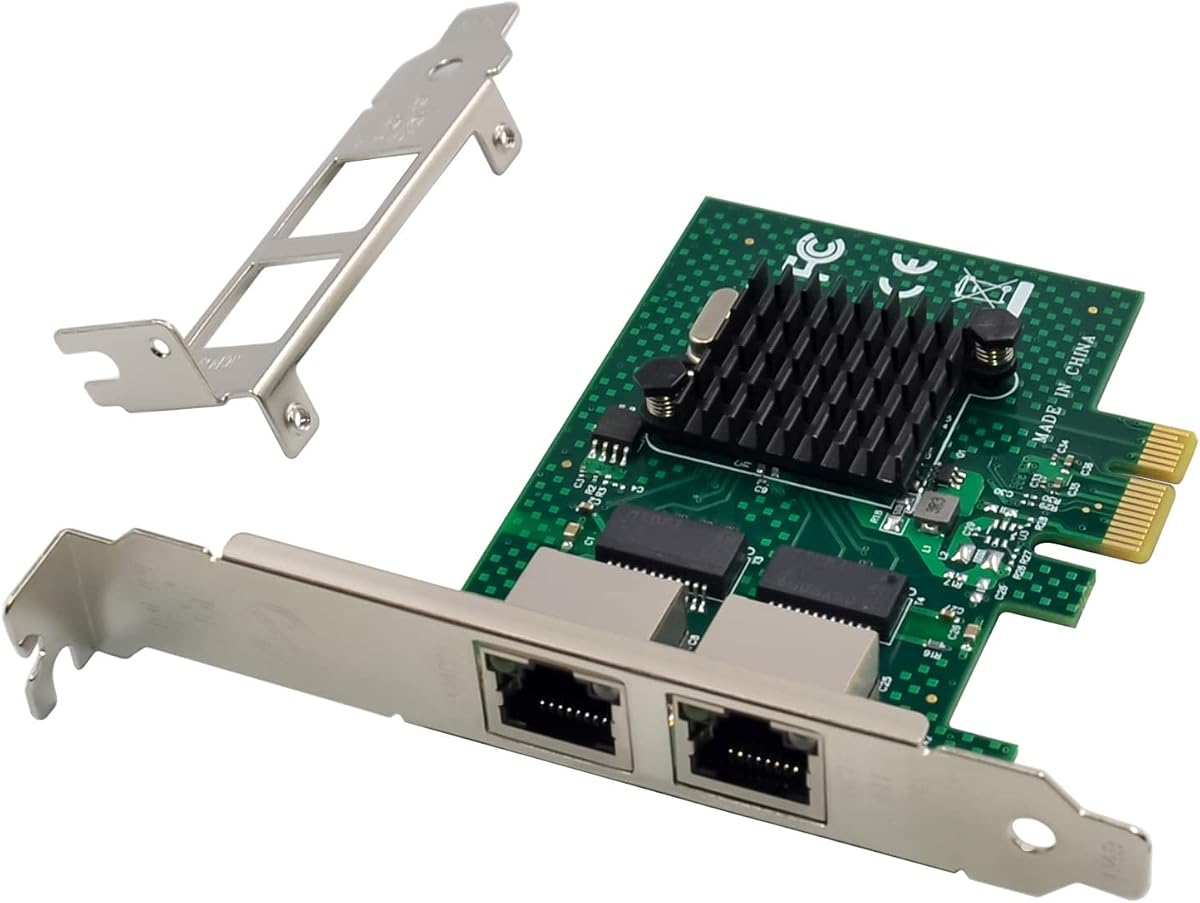
This Gigabit card uses the original Intel 82576 controller to provide stable performance for everyday server needs. It is rated 4.4 by users who value reliability and support from a brand with a strong reputation in networking hardware.
We may earn a commission when you buy through this link, at no additional cost to you.
The Intelligent Offloads feature helps reduce CPU load, making servers more stable during busy network times. It comes with both standard and low profile brackets to fit small form factor cases without compromising connectivity.
Drivers can be downloaded directly from the Intel website, making setup straightforward for most systems. However, it does not support hot swapping, so you will need to shut down your server to install or remove the card.
This is an excellent choice for budget-conscious users who still want Intel quality in their Gigabit adapter. It works well with Windows Server, Linux, and VMware ESX for general-purpose network connectivity.
Uses the original Intel 82576 chip to ensure high compatibility and network stability.
Includes low profile and standard brackets to fit both desktop and server cases easily.
We may earn a commission when you buy through this link, at no additional cost to you.
This Gigabit adapter is highly rated at 4.5 for its stability and QoS technology that streamlines online experiences. It supports a wide range of operating systems, including Windows 11 and various Linux distributions, making it a flexible choice.
We may earn a commission when you buy through this link, at no additional cost to you.
It includes both low profile and full-height brackets to support standard and slim servers. Drivers are easily downloaded from the Intel website or via a QR code on the card for quick setup without confusion.
While it is great for most Linux and Windows users, it does not support VMware ESXi 7.0 or Mac OS. Users with these specific environments should look for alternatives that list explicit compatibility with those systems.
This card is ideal for users seeking a reliable Gigabit upgrade with strong customer support. The warranty and service options provide peace of mind for small businesses or individual server administrators.
QoS technology helps prioritize network traffic to ensure stable performance for critical apps.
Includes both standard and slim brackets to fit different server chassis sizes effectively.
We may earn a commission when you buy through this link, at no additional cost to you.
Gigaplus delivers a stable 10G connection with the X540 controller to effectively prevent packet loss in busy networks. It holds a strong 4.6 rating, reflecting user trust in its performance for data centers and home use alike.
We may earn a commission when you buy through this link, at no additional cost to you.
The card supports a wide variety of operating systems including Windows 11, Linux, and VMware ESX. It comes with a QR code for easy driver installation, simplifying the setup process for system administrators.
Ensure your motherboard has a PCIe slot, not a legacy PCI slot, as this card only works with PCIe interfaces. While powerful, it does not explicitly support hot swapping which requires system downtime for installation changes.
Choose this card for robust server performance that handles heavy traffic without dropping data. The lifetime technical support adds significant value for users needing assistance with complex server configurations.
Designed to prevent packet loss ensuring your servers stay stable during high traffic periods.
QR code drivers make it simple to install the correct software without searching online.
We may earn a commission when you buy through this link, at no additional cost to you.
This 10G card uses the original Intel X540-BT2 controller to offer QoS technology and superior stability. It is rated 4.5, highlighting its ability to support high-speed Cat6a cabling without compromising network integrity.
We may earn a commission when you buy through this link, at no additional cost to you.
It simplifies the transition to 10Gbe infrastructure by ensuring compatibility with current cabling. The card supports a wide range of operating systems including Windows Server and VMware ESXi for flexible enterprise deployment.
Users on Windows 11 must ensure the Windows 10 driver is set up correctly for the NIC to work. This specific requirement adds a step to the installation process that might be confusing for less technical users.
This premium adapter is ideal for those needing robust 10G performance with official chip support. The inclusion of both low profile and full-height brackets ensures it fits in most server chassis types.
Supports Cat6a cabling to simplify your transition to 10Gbps speeds efficiently.
QoS tech ensures stability and prioritization of critical network traffic.
We may earn a commission when you buy through this link, at no additional cost to you.
This X4 Gigabit card offers unique support for SR-IOV which enhances virtualization performance on compatible hosts. It holds a 4.5 rating, making it a solid choice for advanced users managing virtual machines and containers.
We may earn a commission when you buy through this link, at no additional cost to you.
It is compatible with PCIe X4, X8, and X16 slots, providing flexibility for different motherboard designs. The imported alloy heat sink keeps the card at normal operating temperatures to ensure stable operation under load.
Like other Intel 82576 models, it does not support VMware ESXi 7.0 or above. This limitation means it is best suited for legacy virtualization setups or other OS environments that still support older drivers.
Choose this card for virtualization environments where SR-IOV features are necessary. Its compatibility with FreeBSD and Linux makes it a versatile tool for open-source server deployments and specialized network roles.
Supports SR-IOV for improved virtualization performance and direct network access.
Works with X4, X8, and X16 slots to fit various motherboard configurations.
We may earn a commission when you buy through this link, at no additional cost to you.
This server adapter uses the NetXtreme BCM5720 chipset which is recognized for stability in enterprise environments. It is rated 4.6, reflecting high reliability for cloud, web2.0, and machine learning clusters needing consistent network performance.
We may earn a commission when you buy through this link, at no additional cost to you.
It supports a wide range of operating systems including CentOS, Debian, Ubuntu, and various Windows versions. Its flexibility with PCIe X1, X2, X4 makes it adaptable for servers with limited slot availability or different motherboard types.
While it is highly compatible, it is limited to 1Gbps speeds which may not suit high bandwidth needs. Also, it comes with a low profile bracket which is great for servers but might not fit all full-height tower cases without modification.
Select this card for enterprise servers or HPC clusters needing a stable Gigabit connection. The broad OS support and reliable chipset make it a dependable choice for large-scale deployments and virtual infrastructure.
BCM5720 chipset provides reliable performance for cloud and database server environments.
Supports a wide range of Linux and Windows systems for diverse server configurations.
We may earn a commission when you buy through this link, at no additional cost to you.
Choosing the right Dual RJ45 Port Network Card requires understanding your server needs, OS compatibility, and physical slot constraints. This guide outlines the key factors to consider for a successful upgrade.
The controller chip determines the stability and performance of your network card. Intel chips like the X540 or 82576 are widely trusted for their driver support and reliability in server environments. Look for original Intel chips or reputable clones to avoid compatibility issues.
Always verify the chip model before purchasing to ensure it matches your system requirements and supported features.
Decide if you need 1Gbps, 2.5Gbps, or 10Gbps speeds based on your network infrastructure. Higher speeds require compatible Cat6A cables and switches to function properly. If you only need standard speed, a Gigabit card may suffice.
Ensure your switch and cabling match the card speed to prevent bottlenecks in your network setup.
Check if the card supports your specific operating system version, especially for Windows Server or VMware ESXi. Some cards lack support for newer versions like ESXi 7.0 or Windows 11 without manual setup steps. Verify driver availability on vendor sites.
Confirm OS support on the product page before buying to avoid installation hurdles during deployment.
Most cards use PCIe X1, X4, or X8 lanes. Ensure your motherboard has a compatible slot type and physical space for the card. X8 lanes offer more bandwidth for 10G cards while X1 lanes are enough for Gigabit adapters.
Measure your available slot width to ensure the card fits correctly without blocking adjacent slots or ports.
Servers and desktops may require either full-height or low-profile brackets. Many cards come with both options to fit different cases. Verify which bracket size you need to avoid installation issues in compact enclosures.
Choose a card that includes the bracket type required by your specific chassis or server rack.
Virtualization users may need SR-IOV support for efficient VM networking. PXE boot support is essential for remote installations or diskless clients. Check these features if you run virtual environments or manage remote nodes.
Prioritize cards listing these specific features if you rely on virtualization or remote management tools.
Network cards generate heat under heavy load. Look for models with alloy heat sinks or active cooling solutions to prevent thermal throttling. Stable temperatures ensure consistent performance during extended usage periods.
Ensure the card has proper thermal protection to avoid performance drops during high traffic times.
Reliable support is crucial for server hardware. Look for brands offering lifetime technical support or long warranties. This ensures you have help if drivers fail or if compatibility issues arise after installation.
Check warranty terms and support availability before purchasing to protect your investment in the long term.
To install your network card, power down your server and ground yourself before opening the case. Align the card with the PCIe slot and press firmly until it clicks into place, then secure it with the case screw.
Insert the appropriate bracket into the slot on the case back and tighten the screw to hold the card securely. Connect Cat5e or Cat6A Ethernet cables to the RJ45 ports ensuring they are fully seated with the click.
Boot up the system and install drivers from the provided CD or vendor website. Check Device Manager or system settings to confirm the card is detected and functioning before starting your server tasks.
Most 10G cards do not support 2.5G speeds natively and will only run at 1Gbps on such networks. Check the product specs carefully to ensure the card supports 2.5G or 5G if you need those speeds for your switches.
The majority of these Dual RJ45 Port Network Cards do not support hot swapping. You will need to shut down your system safely before installing or removing the card to avoid hardware damage or system errors.
For 10Gbps speeds, you typically need Cat6A cables rated for longer distances up to 100 meters. Cat6 cables may work but are limited to shorter distances such as 55 meters for reliable 10G performance.
Most of these server cards do not officially support macOS as drivers are not provided for Apple operating systems. If you use a Mac, look for a compatible model or consider a Thunderbolt or USB adapter instead.
For some cards, you may need to manually set up the Windows 10 driver or use specific installation guides. Always check the vendor page for Windows 11 compatibility notes before installing to avoid driver errors.
X8 lanes provide more bandwidth which is better suited for high-speed 10G adapters. X1 lanes are sufficient for Gigabit cards but may bottleneck performance if used with high-throughput requirements on fast networks.
We reviewed ten excellent options ranging from Gigabit adapters to high-speed 10G cards. The 10Gtek 10G card stands out for its reliability, while the Gigabit dual NIC offers excellent value for budget-conscious buyers.
When choosing, prioritize controller quality and OS compatibility to ensure stable long-term performance. Consider your specific needs like SR-IOV support or bracket size to make the right decision for your server setup.
Always verify current availability and pricing on the retailer site before finalizing your purchase. Server hardware needs change, so checking for the latest driver support will help you get the best performance from your new card.