
Anysecu SF-103
4.2Editor score
2MHz to 2.8GHz range
Four-button control interface
Portable handheld design
Discover the top frequency counter for ham radio tools to measure signals accurately. We compare ten models for range, accuracy, and ease of use.
Ham radio enthusiasts need precise tools to measure signal frequencies reliably. A good frequency counter helps you tune your equipment and ensure compliance with band limits.
We reviewed ten top-rated models based on user feedback, technical specifications, and real-world performance. Our list includes portable units, modules, and high-precision instruments for various needs.
Each pick highlights key features, pros, and cons to help you choose the right device. Please note that prices and availability can change frequently, so verify details before purchasing.
4.2Editor score

4.1Editor score

5.0Editor score
This comparison table shows key specifications for all ten models. It helps you quickly identify which device fits your budget and technical requirements for ham radio testing.


The Mcbazel Surecom SF401 Plus stands out as a reliable tool for ham radio enthusiasts needing quick frequency checks. It rates well for its ability to measure continuous carrier signals across a broad spectrum from 27MHz to 3000MHz.
We may earn a commission when you buy through this link, at no additional cost to you.
Its integrated CTCSS DCS decoder adds significant value for those working with walkie-talkies or two-way radios. The TCXO ensures temperature compensated accuracy, making it stable even in varying environmental conditions during field use.
While the device is not suitable for wide bandwidth measurements, it excels at its intended purpose of measuring standard radio transmissions. Users may find the display basic compared to modern analyzers, but it serves its functional role well.
This model is ideal for hobbyists who need a portable solution without complex setup. If you value decoding features and range over high-resolution spectrum analysis, this counter offers a strong balance of utility and price.
The TCXO technology ensures that your readings remain accurate even when temperatures fluctuate during outdoor operations.
With multiple preset ranges, you can quickly switch between VHF and UHF bands without needing complex calibration steps.
We may earn a commission when you buy through this link, at no additional cost to you.
The Surecom SF401 Plus offers a straightforward approach to frequency measurement for two-way radios and walkie-talkies. With a rating of 4.3 stars, it is praised by users for its simplicity and reliability in field conditions.
We may earn a commission when you buy through this link, at no additional cost to you.
Its portable design makes it easy to carry during emergency communications or field days. The included VU and UHF antennas ensure you can start measuring immediately without buying additional accessories.
Users should note that this device is designed specifically for continuous wave signals and narrow bandwidth applications. While it lacks advanced spectrum visualization, it delivers precise frequency readings when used within its specified limits.
For those on a tight budget who need basic frequency verification, this unit is an excellent choice. It provides essential features like signal strength indication and temperature-compensated accuracy at an accessible price point.
Packaged with necessary antennas and power adapters, you can begin testing your equipment immediately upon receiving the unit.
The internal oscillator adjusts for temperature changes, ensuring consistent results whether you are in hot or cold environments.
We may earn a commission when you buy through this link, at no additional cost to you.
The FC-2800M Frequency Counter is designed to handle both analog and digital signals including DMR. It achieves a high rating of 4.4, reflecting its reliability for amateur radio operations and CB usage.
We may earn a commission when you buy through this link, at no additional cost to you.
One of its standout features is the built-in DCS CTCSS decoder, which allows for precise identification of frequency parameters. The crystal time base ensures low PPM error, delivering stable measurements across different environments.
While it is compact and easy to operate with four buttons, some users may find the manual less detailed than expected. However, the device itself is intuitive enough for quick frequency checks without extensive training.
This counter is well-suited for users who want a dedicated tool for Ham and CB radio maintenance. The two-year warranty adds peace of mind, ensuring long-term support for your investment in RF testing.
Unlike many analog counters, this model can effectively measure digital DMR signals, making it future-ready for modern systems.
The manufacturer provides a two-year warranty, indicating confidence in the product's durability and offering reassurance to buyers.
We may earn a commission when you buy through this link, at no additional cost to you.
The TinySA Spectrum Analyzer offers a significant step up from simple counters by providing visual RF analysis. With a 4.4 rating, it is appreciated for its ability to show signal strength across frequencies on a touchscreen.
We may earn a commission when you buy through this link, at no additional cost to you.
It covers a broad range from 100kHz to 960MHz, making it suitable for HF, VHF, and UHF bands. The internal signal generator is a rare feature in portable units, allowing for self-testing and calibration without external tools.
While the upper frequency limit is lower than some dedicated counters, its ability to visualize harmonics and interference is invaluable for troubleshooting. Users can also connect it to a PC for expanded analysis capabilities via USB.
This device is best for technicians who need more than just a number on a display. It transforms frequency checking into a visual diagnostic process, helping identify noise and spurious signals efficiently.
The color display allows you to see exactly where interference is coming from, which a numeric counter cannot show.
Self-calibration features ensure that your readings remain reliable even after extended periods without maintenance.
We may earn a commission when you buy through this link, at no additional cost to you.
This compact counter is specifically tailored for those needing quick checks on standard VHF and UHF amateur bands. It features a simple one-button control system that makes it incredibly easy to use for basic testing.
We may earn a commission when you buy through this link, at no additional cost to you.
The inclusion of CTCSS and DCS decoders adds value for users working with repeater access or privacy tones. Its mini size ensures it can be kept in a small radio bag or even a pocket for field emergencies.
While it lacks the broad range of other models, it is effective within its specific bands. Users should note the range limitations before purchase to ensure it fits their specific communication needs.
For operators who prioritize simplicity and portability over advanced features, this unit is a practical option. It provides essential frequency data without the complexity or cost of larger devices.
The single-button design eliminates confusion, allowing you to power on and cycle through tests with one touch.
By focusing on common amateur bands, the device optimizes accuracy and responsiveness for typical use cases.
We may earn a commission when you buy through this link, at no additional cost to you.
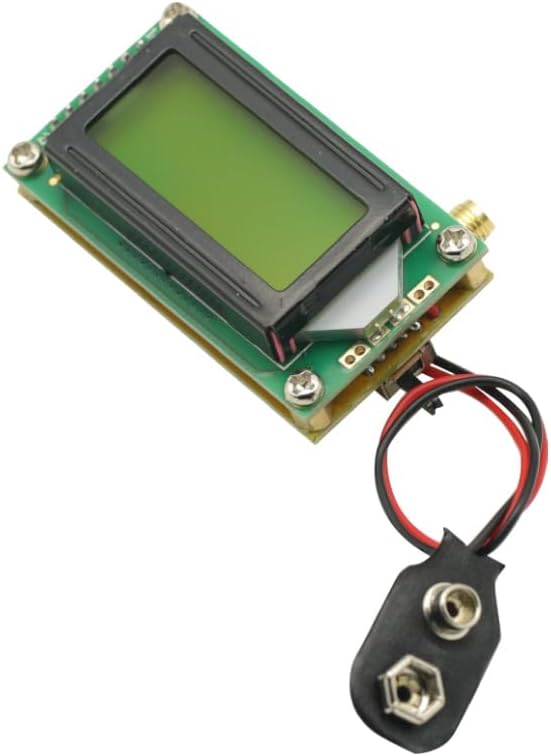
The Anysecu SF-103 serves as an upgraded version of a classic design, offering broader frequency coverage for modern needs. It is recognized for its versatility in measuring signals from 2MHz up to 2.8GHz.
We may earn a commission when you buy through this link, at no additional cost to you.
Its four-button control interface is designed for ease of use, making it accessible for maintenance personnel and enthusiasts alike. The signal strength indicator helps you gauge the quality of the transmission alongside the frequency.
While it is a portable handheld device, some users might prefer a more rugged build for heavy industrial use. However, for typical ham radio maintenance and hobby projects, it provides a solid balance of performance and portability.
If you are looking for a general-purpose counter that covers most amateur bands without breaking the bank, this model is a strong candidate. It delivers reliable readings and fits easily into any technician's toolkit.
Covering from 2MHz to 2.8GHz allows this device to handle most amateur radio bands and some commercial frequencies.
The four-button system ensures you can navigate settings and measurements quickly without needing a technical manual.
We may earn a commission when you buy through this link, at no additional cost to you.
This handheld unit combines a wide frequency range with robust accuracy through its TCXO technology. It is rated well for its ability to measure signals across 2MHz to 2.8GHz with stable performance.
We may earn a commission when you buy through this link, at no additional cost to you.
The device includes a battery level indicator, which is crucial for portable field use. Users must be careful to avoid direct high-voltage inputs to prevent damage, following the provided warnings closely.
Its small size allows for easy transport, making it suitable for on-site antenna tuning and radio maintenance. The ability to handle DMR signals adds to its utility for modern digital communication testing.
For enthusiasts who need a reliable counter that balances range and accuracy, this model is a worthy choice. It provides essential measurements without the complexity of larger benchtop instruments.
The temperature compensated oscillator ensures that your frequency readings remain accurate regardless of outdoor conditions.
Battery indicators and compact dimensions make this device practical for long days of field testing and travel.
We may earn a commission when you buy through this link, at no additional cost to you.
This module is designed for DIY hobbyists who want to build a frequency counter into a custom project. It operates in the 1 to 500MHz range, which covers a significant portion of amateur HF and VHF bands.
We may earn a commission when you buy through this link, at no additional cost to you.
While the rating is lower due to limited precision, it serves a specific purpose for basic testing and educational builds. The module form factor makes it easy to integrate into breadboards or custom enclosures.
Users should be aware that the accuracy may not be sufficient for precise calibration tasks. It is best suited for general verification rather than critical engineering measurements where high fidelity is required.
If you enjoy electronics projects and need a low-cost component for your builds, this module is an option to consider. Just ensure your expectations align with its intended use case and accuracy limits.
The PCB module format allows for easy soldering and integration into custom electronic projects for hobbyists.
At a low cost, this module provides a simple way to verify signals without investing in a full commercial unit.
We may earn a commission when you buy through this link, at no additional cost to you.
This board is another option for those interested in assembling their own testing equipment. It offers a 1MHz to 500MHz range and features an LCD display for easy reading of results.
We may earn a commission when you buy through this link, at no additional cost to you.
With low power consumption, it is suitable for portable builds where battery life is a priority. However, it is sold as a board without full enclosure, requiring additional work for final assembly.
While the rating reflects some limitations in performance and ease of use, it remains a valid choice for educational purposes. It helps users understand the basics of frequency counting and RF testing.
For makers looking for a simple entry point into RF testing, this kit provides a functional foundation. Just be prepared to handle assembly and testing to get the most out of the hardware.
The board is designed to consume minimal power, extending battery life for portable DIY applications.
Assembling and using this board provides valuable insight into how frequency counters function internally.
We may earn a commission when you buy through this link, at no additional cost to you.
The AURSINC TinyGTC represents the pinnacle of portable frequency counting with GPS-disciplined stability. With a perfect 5.0 rating, it is praised for its accuracy and extensive feature set including 40ps resolution.
We may earn a commission when you buy through this link, at no additional cost to you.
It supports dual-channel measurement, allowing simultaneous analysis of two signals. The built-in GPSDO provides long-term stability that is typically found only in much larger laboratory equipment.
While it offers professional-grade performance, it is also accessible with a touchscreen interface and intuitive controls. Data export options make it suitable for both field work and detailed home lab analysis.
This device is ideal for serious hams and technicians who require absolute precision. If you need to calibrate equipment or perform advanced RF research, this unit justifies its higher investment with superior capabilities.
The GPS-disciplined oscillator ensures that your measurements remain accurate over time without manual adjustments.
Simultaneous channel measurement allows for efficient phase and frequency comparison between two signals.
We may earn a commission when you buy through this link, at no additional cost to you.
Selecting the right frequency counter involves balancing range, accuracy, and budget. This guide breaks down the key factors you should consider.
Ensure the device covers the bands you use most. Most handheld counters handle VHF and UHF well, but check if they support lower HF frequencies if needed.
Choose a model that covers your specific communication bands to avoid gaps in functionality.
Look for devices with TCXO (Temperature Compensated Oscillator) technology. This ensures that your readings remain accurate even when temperatures change during field operations.
High stability means reliable data for tuning equipment and meeting regulatory requirements.
If you work with digital modes like DMR, ensure the counter can handle those signals. Many modern counters include built-in decoders for CTCSS and DCS tones.
Decoders help you identify repeater access codes quickly during testing.
For field use, size and battery life are critical. Handheld units often run on 9V batteries or rechargeable packs. Ensure you have accessories like adapters if needed.
A compact design makes it easier to carry the device to remote locations.
Consider how information is presented. LCDs are common, but touchscreens on advanced units offer more intuitive control. Simple buttons are often faster for quick checks.
A clear display reduces eye strain during extended testing sessions.
Prices vary from affordable modules to professional-grade analyzers. Set a budget that matches your skill level and needs without overspending on unnecessary features.
Start with a reliable model that grows with your hobby rather than one you will outgrow quickly.
Connect the antenna to the appropriate input port on the device. Ensure the device is powered on and set to the correct frequency range before transmitting.
Place the device near the transmitter without connecting it directly to high power output. Most counters have strict input voltage limits to prevent damage.
Keep the device dry and clean. Store it in a protective case when not in use to avoid physical damage during transport.
A frequency counter measures the exact frequency of radio transmissions. This ensures your equipment operates within legal limits and helps identify interference or spurious emissions.
If you use repeaters or privacy tones, a decoder helps identify those signals. It is not strictly necessary for basic frequency checks but adds significant convenience.
Portable counters with TCXO technology typically have accuracy in the range of 2 to 4 parts per million. This is sufficient for most hobbyist maintenance needs.
Yes, they help verify the operating frequency of your transceiver. However, antenna tuning also requires SWR measurements which these counters do not provide directly.
For most hams, coverage from 27MHz to 3000MHz is ideal. This covers CB, VHF, UHF, and most amateur bands used in the United States.
Spectrum analyzers offer visual data and broader capabilities but are often more expensive. Counters are simpler and faster for specific frequency checks.
Whether you need a simple tool for quick checks or a high-precision device for calibration, there is a suitable option among our top ten picks. The AURSINC TinyGTC leads for professional needs while the SF401 Plus offers great everyday value.
Consider your specific requirements such as digital mode support or battery life before making a decision. Investing in a reliable tool ensures your station remains compliant and efficient.
Remember that prices and stock levels change. Check current availability and read recent reviews before purchasing to ensure you get the best deal for your setup.