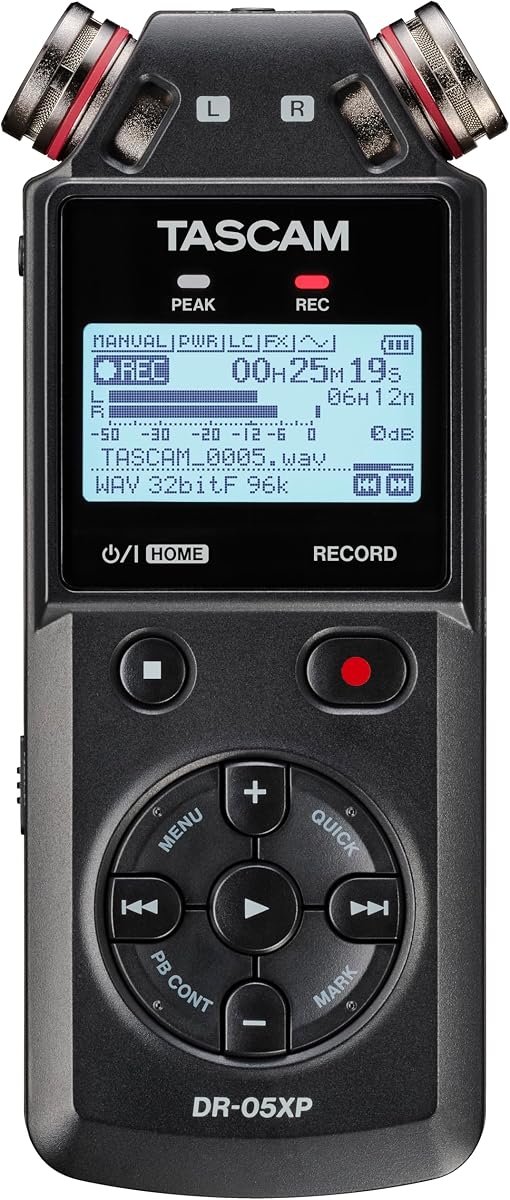
TASCAM DR-05XP Portable Handheld Field Recorder
4.2Editor score
32-bit float recording capability
Omnidirectional condenser microphones
USB-C audio interface
Up to 17.5 hours battery life
This guide compares the top 10 best handheld recorders for journalists covering audio quality, battery life, and portability for field reporting.
Journalists need reliable tools to capture clear audio in any environment. Handheld recorders offer portability and professional quality for interviews and field work.
We evaluated ten models based on microphone performance, battery endurance, and ease of use. Our comparison highlights devices that meet rigorous reporting standards.
Each pick shows key specs and real-world strengths. Prices change frequently so verify current availability before making your final purchase decision.
4.2Editor score

4.7Editor score
4.4Editor score
This side-by-side comparison outlines the core specifications and capabilities of each recorder to help you identify the right fit for your reporting needs.


The Zoom H5 stands out as a top choice for journalists who need flexibility and professional audio quality. With a rating of 4.7 stars it delivers reliable performance for interviews and field recordings.
We may earn a commission when you buy through this link, at no additional cost to you.
Its interchangeable capsule system allows you to adapt to different acoustic environments easily. The four-track simultaneous recording ensures you never miss a crucial sound source during a busy scene.
While it is pricier than basic recorders the investment pays off in versatility and durability. The build quality withstands daily travel and handling in demanding news environments.
This device is ideal for reporters who need to capture layered audio or connect external microphones. Its clear menu system makes it easy to use even under pressure.
The interchangeable input capsules let you swap microphones quickly to suit different recording scenarios without carrying multiple devices.
XLR/TRS combo connectors provide robust connections for external mics and interfaces ensuring clean signal paths for critical interviews.
We may earn a commission when you buy through this link, at no additional cost to you.
The TASCAM DR-05XP offers exceptional value for journalists on a budget without compromising core recording capabilities. Its 4.2 rating reflects strong user satisfaction with its reliability and sound quality.
We may earn a commission when you buy through this link, at no additional cost to you.
The 32-bit float recording is a standout feature that prevents audio clipping even in unpredictable loud environments. This ensures you capture clear dialogue without needing constant gain adjustments.
It lacks some advanced customization found in premium models but covers all essential needs for field reporting. The compact size fits easily in a pocket or bag for quick deployment.
This recorder is perfect for student journalists or those starting out who need a dependable tool. It balances cost and performance effectively for daily news gathering tasks.
32-bit float recording handles extreme volume spikes automatically preserving dialogue clarity even if levels fluctuate unexpectedly.
USB-C interface acts as an audio interface for direct transfer to laptops simplifying workflow for quick file exports.
We may earn a commission when you buy through this link, at no additional cost to you.
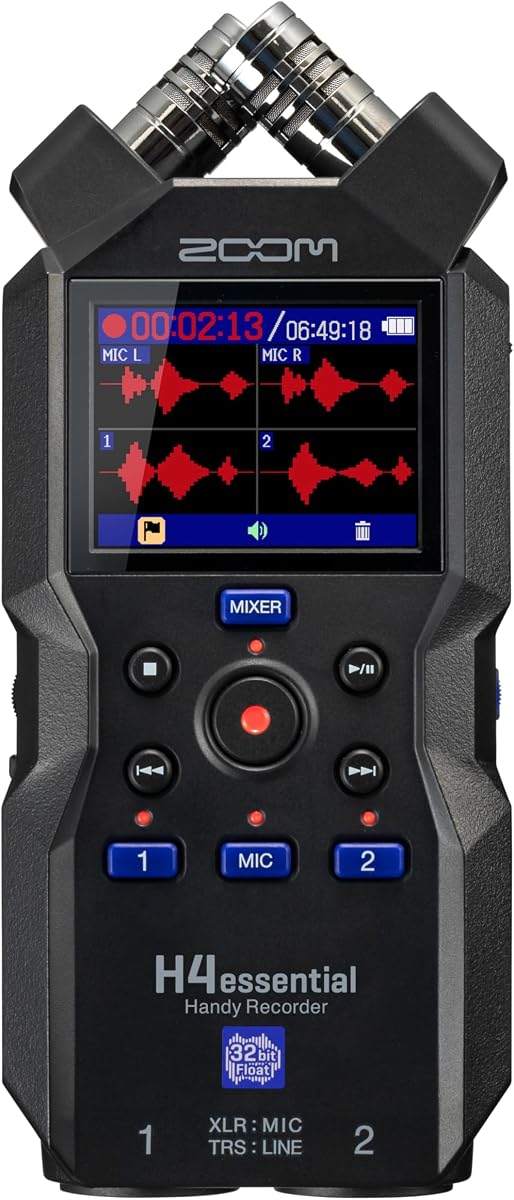
The Zoom H4 Essential brings premium features to journalists who demand high fidelity and reliability. With a 4.4 rating it excels in capturing detailed audio for interviews and ambient sound.
We may earn a commission when you buy through this link, at no additional cost to you.
Its four-track recording allows for simultaneous capture of multiple sources ensuring you have backups or layered audio for editing. This flexibility is crucial for complex field scenarios.
While it requires some setup time the spoken menu guidance makes navigation easier especially for users with visual impairments. The build quality supports long-term professional use.
This device is recommended for reporters who need to connect external gear or stream directly to devices. It offers a balanced mix of professional features and user-friendly design.
Simultaneous four-track recording lets you capture primary audio and backups at once reducing risk of losing critical interview segments.
Spoken menu guidance ensures all users can navigate settings efficiently without relying on small display screens or complex buttons.
We may earn a commission when you buy through this link, at no additional cost to you.
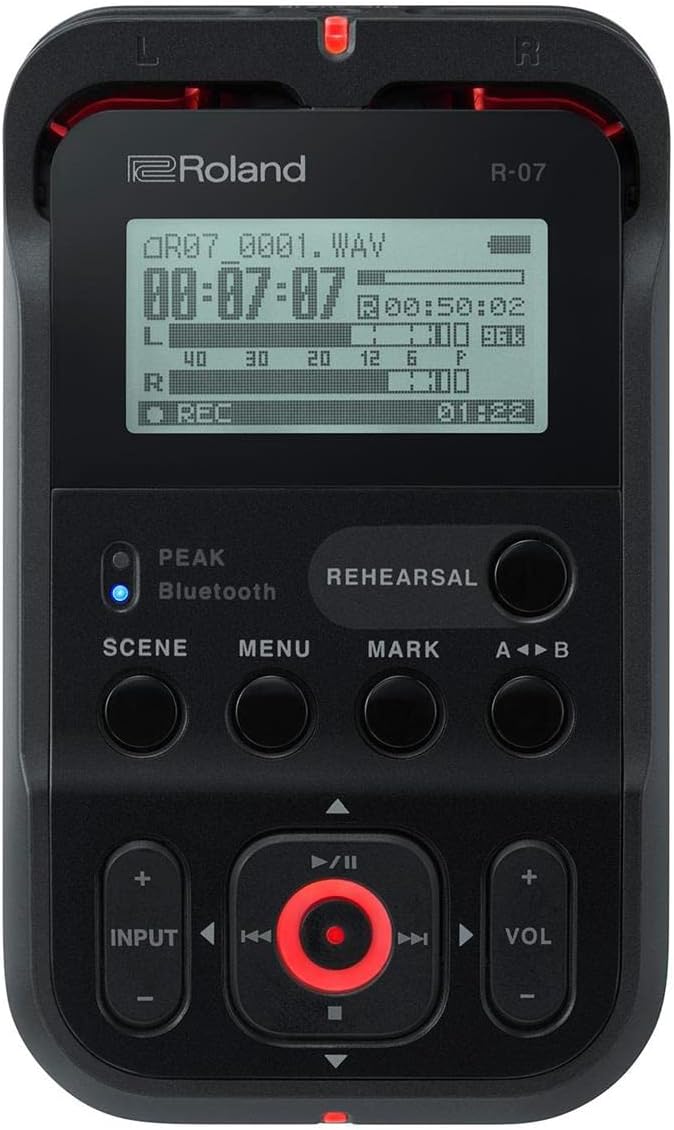
The Roland R-07 combines high-resolution audio with modern connectivity options for journalists who value flexibility. Its 4.2 rating indicates solid performance for capturing clear sound in various settings.
We may earn a commission when you buy through this link, at no additional cost to you.
Bluetooth control allows you to monitor and adjust settings from a distance which is useful for discreet interviews. The simultaneous MP3 and WAV recording provides a backup without manual switching.
The built-in speaker makes it easy to check recordings on the spot ensuring quality before leaving a scene. The graphic LCD ensures visibility in low-light environments.
This recorder is best for reporters who prioritize ease of use and wireless features. It offers a good balance of quality and portability for daily field work.
Bluetooth connectivity enables remote monitoring and control allowing reporters to manage sessions without touching the device directly.
Recording both MP3 and WAV simultaneously ensures you have a high-fidelity master and a lightweight file for quick sharing.
We may earn a commission when you buy through this link, at no additional cost to you.
The EVISTR voice recorder offers massive storage and voice activation features ideal for long interviews or conferences. With a 4.2 rating it provides reliable performance for basic recording needs.
We may earn a commission when you buy through this link, at no additional cost to you.
Voice activated recording ensures you only capture sound when someone is speaking reducing silence and saving space on the 64GB internal memory. This helps streamline file management significantly.
The simple two-button interface makes it quick to start and stop recording even in fast-paced environments. Battery life supports multiple sessions without needing frequent recharges.
This device suits reporters who need a secondary backup recorder or a tool for quick dictation. It is cost-effective and easy to carry for extended field trips.
Voice activation reduces silent segments automatically saving battery and storage space for important audio content only.
64GB storage holds thousands of hours of recordings ensuring you never run out of space during long assignments.
We may earn a commission when you buy through this link, at no additional cost to you.
The Tonfarb 64GB recorder focuses on simplicity and speed with its one-click record and save function. Its 4.0 rating highlights practical usability for everyday recording tasks.
We may earn a commission when you buy through this link, at no additional cost to you.
PCM recording quality ensures clear audio suitable for interviews while password protection keeps sensitive files secure. The large screen makes navigation easy without squinting.
Battery life supports extended use making it reliable for long days in the field. It lacks some advanced inputs but covers core needs effectively.
This recorder is ideal for journalists who need a quick reliable backup device. It balances functionality and ease of use for routine reporting work.
Password protection safeguards confidential interview audio ensuring privacy during transport or storage.
One-click operation allows instant recording without navigating complex menus saving critical seconds in fast-paced situations.
We may earn a commission when you buy through this link, at no additional cost to you.
The Tascam dr 40 Silver is a compact digital recorder that delivers reliable 4-track recording for journalists. Its 4.6 rating shows consistent user satisfaction with its core functions.
We may earn a commission when you buy through this link, at no additional cost to you.
Its lightweight build makes it easy to carry in a pocket while the 4-track function allows for multi-source audio capture. SD card support provides flexible storage options.
While it lacks some modern connectivity like USB-C it remains a sturdy option for basic field needs. The silver finish adds a professional look to the device.
This model suits reporters looking for a straightforward no-nonsense recorder. It is a solid choice for those who prioritize portability and simplicity.
The slim silver design fits comfortably in small spaces making it perfect for travel and quick field trips.
4-track recording ensures flexibility to capture multiple audio sources simultaneously without extra equipment.
We may earn a commission when you buy through this link, at no additional cost to you.
The Pocket AI Voice Recorder introduces artificial intelligence to journalism workflows with auto transcription and note taking. With a 4.6 rating it offers a modern solution for rapid report generation.
We may earn a commission when you buy through this link, at no additional cost to you.
Its AI automatically summarizes meetings and extracts key action items allowing journalists to focus on writing rather than listening. MagSafe compatibility ensures it attaches securely to devices.
Battery life supports multi-day travel reducing the need for frequent charging. However advanced features may require a subscription for full utility.
This device is perfect for reporters who need quick access to interview insights. It transforms raw audio into actionable notes faster than traditional methods.
Automated AI insights turn hours of audio into concise summaries speeding up editorial workflow significantly.
MagSafe compatibility allows hands-free recording by attaching the device to compatible phones or mounts.
We may earn a commission when you buy through this link, at no additional cost to you.
The Zoom H1 Essential improves audio quality for videos and interviews with easy connectivity. Its 4.0 rating reflects good performance for simple recording tasks.
We may earn a commission when you buy through this link, at no additional cost to you.
Its stereo capture ensures natural sound for conversations and ambient noise. The USB-C connection allows it to function as a mic for livestreams or calls.
It is lightweight and easy to handle making it convenient for quick field use. While simple it delivers clear results for basic reporting needs.
This recorder is suitable for journalists who need better sound than phone mics. It provides a quick upgrade for content creation on the go.
USB-C connection simplifies linking to computers for live streaming or direct recording without extra cables.
Optimized microphones ensure voices stand out clearly in interviews or recorded notes.
We may earn a commission when you buy through this link, at no additional cost to you.
The Zoom H2 Essential offers nine microphone patterns for flexible recording in varied environments. With a 4.4 rating it ensures versatile audio capture for different field conditions.
We may earn a commission when you buy through this link, at no additional cost to you.
Bluetooth syncing allows you to link multiple units for wider coverage. The audible menu navigation ensures accessibility for visually impaired users.
It functions as a USB mic for remote interviews making it a dual-purpose tool. Battery life is solid though Bluetooth use may reduce runtime.
This recorder is excellent for reporters who need adaptable sound capture without complex setups. It balances advanced features with user-friendly design.
Nine selectable patterns let you tailor sound capture to the specific environment from wide spaces to close-ups.
Audible menu navigation makes the device usable for blind or visually impaired journalists without external apps.
We may earn a commission when you buy through this link, at no additional cost to you.
Choosing the right recorder depends on your specific reporting needs and budget. This section outlines key factors to consider.
High-resolution audio ensures interviews sound professional and clear. Look for 24-bit or 32-bit float recording to avoid clipping in loud environments.
Prioritize models with high-quality microphones to capture detail.
Field reporters need devices that last all day without recharging. Check continuous recording times and options for external power sources.
Models offering 10+ hours of battery life are ideal for extended trips.
Large internal memory or SD card support is essential for storing hours of footage. 64GB or higher allows for weeks of recording.
Ensure the device supports standard SDHC or SDXC cards for easy expansion.
USB-C or Bluetooth connectivity simplifies data transfer and remote control. Some models function as mics for computers or phones.
Choose models that integrate well with your existing workflow tools.
Daily use requires a device that withstands drops and weather. Look for sturdy housings and protective caps.
Metal bodies generally offer better longevity than plastic cases.
Simple menus and physical buttons allow quick operation during interviews. Avoid complex interfaces that slow down recording.
Spoken menus or accessibility features can improve efficiency for all users.
External mic inputs provide flexibility for specialized recording needs. XLR or TRS connectors support professional microphones.
If you use external gear, ensure the recorder supports phantom power.
Set a budget based on your current needs. Basic models save money while premium ones offer advanced features.
Balance cost against long-term reliability and versatility requirements.
Always check your battery and storage levels before heading out. Charge devices fully and ensure sufficient space is available for the day's interviews.
When recording keep the device away from windy areas or place it on a stable surface. Use a windscreen if provided to reduce background noise.
Regularly update the firmware and clean the microphones with a soft cloth. Store the device in a protective case when not in use to prevent damage.
The Zoom H5 is often recommended for interviews due to its interchangeable capsules and XLR inputs. However budget options like the TASCAM DR-05XP also provide excellent voice clarity.
Yes many modern recorders function as USB microphones. Models like the Zoom H4 Essential and H2 Essential allow you to connect directly to computers or phones for live streaming.
All handheld recorders work independently without internet. They store files locally on SD cards or internal memory ensuring you can capture audio anywhere.
Battery life varies from 5 to 16 hours depending on usage. Look for models offering AA battery compatibility for longer runtimes during remote field work.
Most handheld recorders are not waterproof but some have splash-resistant designs. Always use a protective case or bag if working in rainy conditions.
Common formats include WAV and MP3. WAV provides lossless quality while MP3 saves space. Most devices allow you to choose between them easily.
You can transfer files via USB-C cable or by removing the SD card. Many models also support wireless transfer apps for mobile devices.
Basic recording does not require subscriptions. However advanced AI features like auto transcription may need optional paid plans depending on the device.
The Zoom H5 and TASCAM DR-05XP stand out for their versatility and value. These models offer professional features suitable for most reporting scenarios.
Consider your specific needs such as connectivity and durability when making a choice. Investing in a reliable device ensures consistent quality across assignments.
Verify current availability and specifications before purchasing as models may change over time.